what can i put on to stop my itching back

Merely about everyone has experienced hiccups at i fourth dimension or another. They're most common in infants, but everything from drinking bubbly sodas to chowing down on spicy foods to swallowing air too quickly can lead to those telltale spasms in people of all ages.
Every bit common as hiccups are, they're not a health outcome in and of themselves (though they tin be a symptom of underlying conditions). They are, though, a nuisance — and sometimes a puzzle. So just what are hiccups, and what causes them? And, almost importantly, how can you stop them in their tracks to keep them from interfering with your daily life? Larn the answers to these (and other) questions beneath.
What Are Hiccups?

Hiccups offset in your diaphragm, which is a flat, plate-shaped musculus that separates your chest from your abdominal crenel (and your lungs from your stomach). It's involved in breathing; when your diaphragm rises, air is forced from your lungs, causing you to exhale. When the muscle lowers, your lungs pull air in as you lot inhale.
Every once in a while, and for reasons that aren't well understood, your brain sends a signal through the fretfulness catastrophe in your diaphragm. This signal triggers your diaphragm to drop all of a sudden. When that happens, the movement pulls air through your mouth and into the dorsum of your throat. The combination of all these signals and muscle contractions causes a pressure modify that quickly closes your song cords and results in the telltale "hic" sound.
Hiccups usually don't last longer than a few minutes, merely in some cases they tin can persist for longer periods of time. According to the Mayo Clinic, hiccups that last longer than 48 hours are often a symptom of an underlying medical condition or the result of exposure to an irritant or sure medication.
What Causes Hiccups?
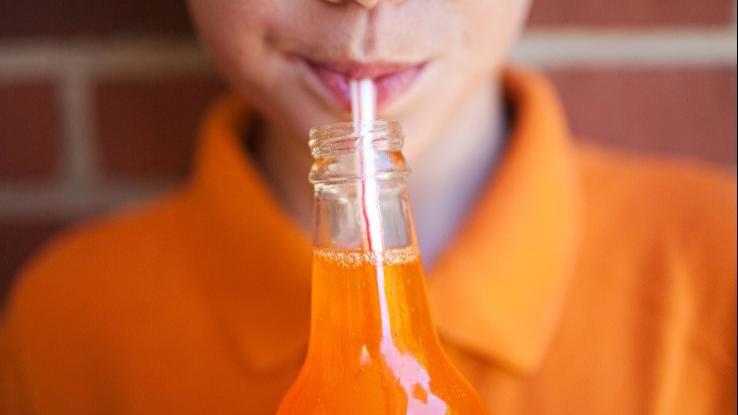
While hiccups are sometimes a symptom of some other health business, they frequently develop on their ain due to certain triggers. Some of the nigh common causes of hiccups that ordinarily won't last longer than 48 hours include the following:
- Drinking carbonated drinks, such as sodas or beer
- Overeating, which results in pressure from a very full stomach
- Drinking large amounts of booze
- Inhaling also much air, such as while smoking, chewing glue, drinking through a straw or sucking on hard candies
- Experiencing sudden temperature changes
- Experiencing excitement, stress or other intense emotions
When hiccups are the result of an underlying medical condition, they may last longer than 48 hours or you may brainstorm to experience much more than frequent bouts of them. Sometimes, they happen when your vagus or phrenic nerves, which collaborate with your diaphragm, become triggered. Below are some of the most common medical reasons people experience hiccups:
- Irritation or damage to the vagus and phrenic nerves caused by factors such as tumors or cysts in your neck, something touching your eardrum, laryngitis or severe indigestion
- The utilize of barbiturate, steroid or tranquilizer drugs
- Metabolic disorders such equally kidney disease or diabetes
- Health conditions such as alcoholism
- Undergoing anesthesia
- Disorders involving your cardinal nervous system, which may include strokes, multiple sclerosis, brain injuries or infections
How Tin Yous Stop Hiccups?

There isn't ane surefire way to eliminate hiccups. If they're the consequence of a medical condition, treating that underlying result can bring an finish to your hiccups. Similarly, you might need to stop taking medications that cause hiccups to detect relief. However, if a glass of soda or a bite of spicy food is what sets off a tour of these spasms, identifying an effective remedy to stop your hiccups involves combining scientific discipline, domicile remedies and an sometime wives' tale or two. While these options aren't guaranteed to finish hiccups for good, people oft experience success trying out the following techniques.
Holding your breath and animate into and out of a newspaper pocketbook. Both belongings your breath (for 10 to 20 seconds and repeating as required) and breathing into and out of a paper bag (to inflate and deflate the bag) increase the amount of carbon dioxide in your lungs. That carbon dioxide may relax your diaphragm muscle and end your hiccups. Keep in listen that you should never use a plastic purse.
Practicing breath control. Across belongings your breath, decision-making your breath to disrupt your respiratory organisation might help eliminate hiccups. Try to breathe slowly, consistently and securely by counting to five while inhaling and counting to five once again while exhaling.
Using the Valsalva maneuver. If yous've ever tried to "pop" your ears while swimming or flight or when you're feeling congested, you'll likely be familiar with this technique. To perform it, close your mouth, pinching your nose shut and exhaling forcefully. The Valsalva maneuver can interrupt the reflexive spasms characteristic of hiccups. Try holding this maneuver for well-nigh x seconds, but proceed in mind that, if it doesn't provide relief, you don't want to continue repeating it.
Stimulating the back of your pharynx. By gently pulling on your tongue or poking the back of your throat with a cotton swab, you can stimulate your vagus nerve — and maybe fifty-fifty trigger your gag reflex. That gag reflex or the stimulation of your vagus nervus may exist enough to stop your hiccups.
Drinking water. While some tips related to hiccups and water might fall into "old wives' tale" territory, some simple sipping may actually do the trick. Drink water ice-cold water slowly to stimulate the vagus nervus. Similar the Valsalva maneuver, repeatedly swallowing small amounts of water may also work to interrupt your hiccup reflex.
Trying pharmaceutical interventions. If these dwelling remedies aren't effective to eliminate your hiccups, your family doctor may be able to provide some relief in the form of prescription medication. If your hiccups last longer than 48 hours or if they're astringent plenty to interfere with your breathing, sleeping or eating, make an date with your doctor.
Resource Links:
https://www.mayoclinic.org/diseases-weather condition/hiccups/symptoms-causes/syc-20352613
https://world wide web.nhlbi.nih.gov/health-topics/how-lungs-work
https://www.wellness.harvard.edu/diseases-and-weather/what-causes-hiccups
https://www.mayoclinic.org/diseases-atmospheric condition/hiccups/multimedia/hiccups-what-causes-them/img-20008532
https://health.clevelandclinic.org/why-do-yous-get-hiccups-and-how-to-stop-them/
https://pubmed.ncbi.nlm.nih.gov/25055206/
https://www.ncbi.nlm.nih.gov/pmc/articles/PMC5072913/

Source: https://www.symptomfind.com/healthy-living/stop-hiccups-immediately?utm_content=params%3Ao%3D740013%26ad%3DdirN%26qo%3DserpIndex

Post a Comment for "what can i put on to stop my itching back"